


Mekari Insight
- Enterprise software is a strategic investment, not just an IT decision. Organizations that build systems around their actual operations, rather than adapting to generic tools, consistently see measurable returns: 80% achieve ROI from ERP implementations, with an average payback period of just 2.5 years.
- The biggest risks aren’t technical, they’re organizational. Scope creep, change management resistance, and legacy system complexity derail more enterprise projects than the code itself. Success depends as much on stakeholder alignment, clear requirements, and phased delivery as it does on the technology stack.
- Mekari Officeless as an enterprise software development solution combines no-code/low-code workflow automation through Officeless Studio with end-to-end custom software development, giving enterprises a flexible path to build, integrate, and scale software that fits how their teams actually work.
Modern enterprises rely heavily on software, yet many still operate with disconnected systems — CRMs that don’t integrate with ERPs, delayed reporting dashboards, and tools that struggle to scale across large teams. The result is fragmented data, inefficient workflows, and duplicated work across departments.
Enterprise software development offers a different approach: building systems tailored to how the organization actually operates. Instead of forcing teams to adapt to generic tools, the software is designed around the company’s processes, scale, and structure.
This guide explores why enterprises increasingly turn to custom software, what the ROI typically looks like within a 2.5-year window, how these systems are built, and how to choose the right development partner.
Why enterprise companies need specific enterprise software
Generic software often struggles to support the scale and complexity of enterprise operations. Large organizations typically have unique workflows, strict compliance requirements, and multiple systems that must integrate seamlessly.
Off-the-shelf tools, however, are usually built for the “average” use case — and enterprises are rarely average.
Most enterprise environments involve layered hierarchies, cross-department processes, and industry-specific regulations that standard tools cannot fully accommodate. As a result, teams often rely on manual workarounds, disconnected systems, or additional tools just to keep operations running.
Custom enterprise software addresses this gap by being designed around the company’s real business logic and operational needs, rather than a vendor’s general assumptions. This approach leads to better system adoption, smoother integrations, and workflows that reflect how teams actually work.
What is enterprise software development
Enterprise software development is the process of building customized software systems that help large organizations automate tasks, streamline workflows, and improve productivity at scale.
Unlike off-the-shelf tools designed for general use, enterprise software is created to support complex operations, multiple departments, and high volumes of data within a company.
By connecting business processes, data, and teams into one system, enterprise software helps organizations operate more efficiently and make faster, data-driven decisions as they grow.
Common capabilities of enterprise software systems include:
- Managing large data systems and processing operational data securely
- Providing real-time information for faster decision-making
- Controlling enterprise finances through better monitoring and reporting
- Facilitating cross-department workflows and collaboration
- Streamlining procurement processes such as requests and approvals
- Automating business processes to reduce manual work
- Integrating data across systems to eliminate information silos
- Generating accurate reports for operational and strategic insights
- Providing easy application access across teams and locations
- Ensuring secure data storage for sensitive business information
Modern enterprise systems often include features like low code no code development, business process management, centralized data integration, and reporting tools, allowing organizations to build and adapt internal applications more efficiently.
Read more: Top 9 Enterprise Low Code Platform to Speed-Up Development 70%The importance of enterprise software development
The value of enterprise software development is not just theoretical, it is supported by real data. Studies show that organizations investing in systems built around their operations tend to see measurable improvements in efficiency, processes, and financial performance.
Several key findings highlight this impact:
- 80% of organizations achieve ROI from ERP implementations, whether early, on schedule, or later than expected.
- The average payback period is about 2.5 years, meaning companies typically recover their investment within this timeframe.
- 50% of companies report significant improvements in most business processes, while 43.8% report improvements in critical processes after implementing ERP systems.
These findings show a consistent pattern: when enterprises implement software designed to match how their operations actually work, the benefits extend beyond cost savings to include stronger processes, better decision-making, and improved organizational efficiency.
Steps to develop enterprise software: A practical roadmap
Developing enterprise software involves more than writing code. It requires a structured process that aligns technology decisions with business needs.
Below is a practical roadmap that outlines the key stages of enterprise software development and what each step means for the organization.
1. Discovery and requirements gathering
The process begins by identifying business needs and operational challenges. This stage involves interviewing stakeholders across departments to understand workflows, pain points, system dependencies, and compliance requirements.
Clear functional and non-functional requirements are documented early to reduce misunderstandings and prevent scope creep later in the project.
2. Architecture and technical planning
Once requirements are defined, the technical structure of the system is planned. Teams determine the most suitable architecture, such as monolithic, microservices, or serverless models.
This phase also includes selecting the technology stack, designing the database structure, defining APIs, and mapping how the new system will integrate with existing tools.
3. Agile development (sprint cycles)
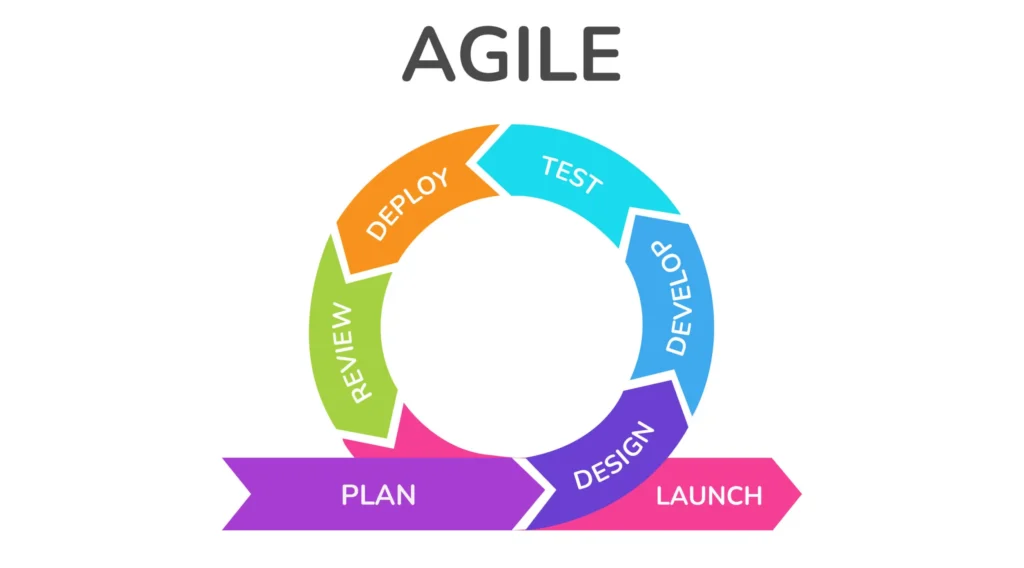
Most enterprise software today is built using agile development. Work is divided into short development cycles, typically lasting two to four weeks. Each sprint delivers functional features that stakeholders can review and test, allowing teams to refine the product continuously based on feedback.
4. System integration
Enterprise systems rarely operate in isolation. During this stage, the new software is integrated with existing platforms such as CRM, ERP, HR systems, data warehouses, and third-party APIs. Teams define data flows, synchronization methods, and authentication protocols to ensure systems communicate smoothly.
5. Quality assurance and security testing
Before deployment, the system undergoes extensive testing. This includes functional testing, performance testing, and security checks. User Acceptance Testing (UAT) is also conducted with real users to ensure the system works effectively in real operational scenarios.
6. Deployment
After testing is completed, the system is deployed through CI/CD pipelines to either cloud or on-premise environments. Organizations typically combine deployment with training sessions, documentation, and onboarding programs to ensure employees can start using the system effectively.
7. Maintenance and continuous improvement
Enterprise software development does not end after launch. Teams continuously monitor performance, fix bugs, apply security updates, and release new features based on user feedback and evolving business requirements. This ongoing improvement ensures the system remains relevant as the organization grows.
Read more: Guide to Choose Low Code vs Traditional Development Key aspects of enterprise software that make or break a project
Successful enterprise software projects depend on several critical foundations. If these elements are overlooked, even well-funded systems can struggle with adoption, performance, or long-term scalability.
1. Scalability
Enterprise systems must handle growing workloads — more users, larger data volumes, and expanding business units — without performance issues. The architecture should be designed to support at least 3–5× the current operational load to accommodate future growth.
2. Security by design
Security should be embedded into the system architecture from the start, not added later. This includes data encryption (at rest and in transit), role-based access control (RBAC), multi-factor authentication (MFA), and regular security testing such as penetration tests.
3. Integration readiness
Enterprise software rarely operates alone. Systems should be built with API-first architecture and clear integration documentation so they can connect smoothly with existing tools such as CRM, ERP, HR systems, and external platforms.
4. User experience (UX)
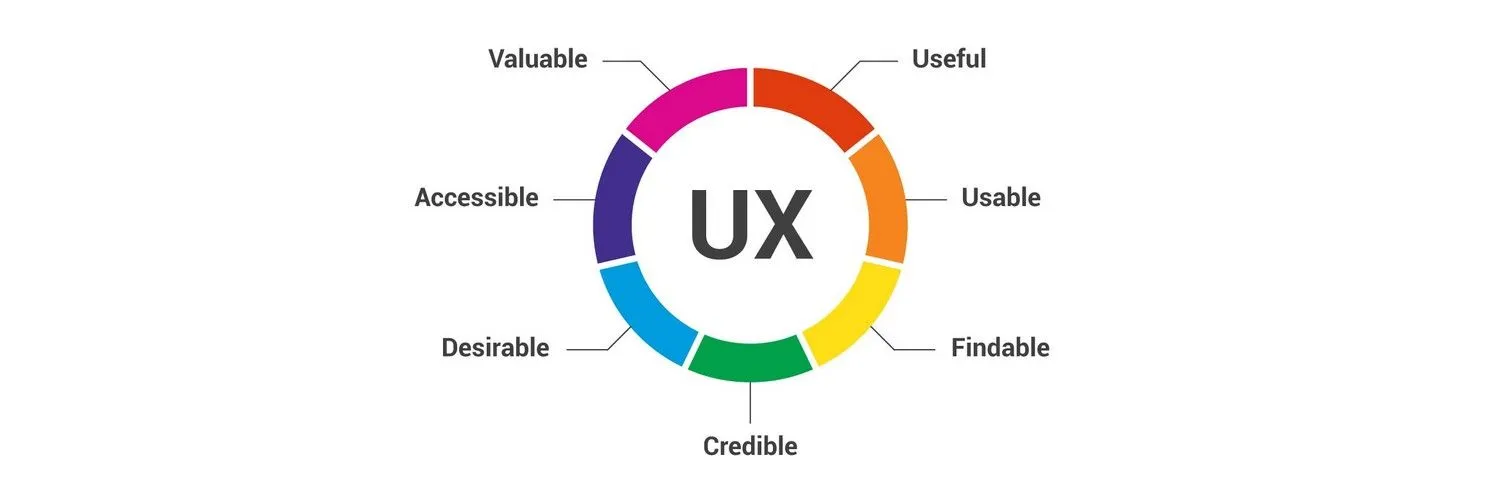
Even powerful enterprise systems can fail if employees find them difficult to use. A clear, intuitive interface helps teams adopt the system more easily, which directly impacts productivity and return on investment.
5. Compliance and regulatory alignment
Many enterprises operate under strict regulatory standards such as GDPR, HIPAA, SOC 2, or ISO 27001. Compliance requirements should be integrated into the system design from the beginning to avoid costly adjustments later.
6. Modular architecture
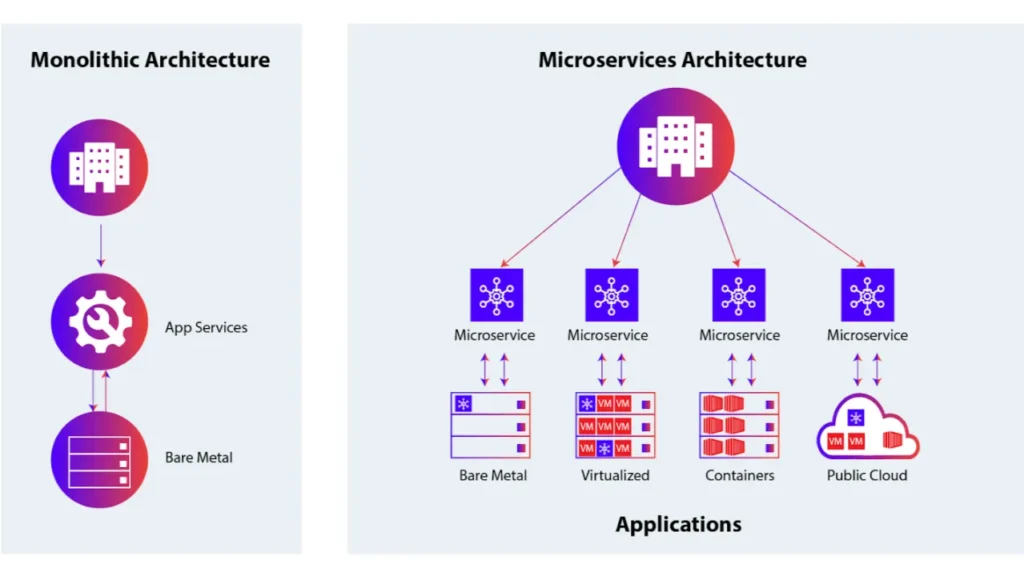
A modular system allows components to be updated, scaled, or replaced independently. This makes it easier to adapt the software over time and reduces the risk of vendor lock-in.
7. Data governance
Enterprise software manages critical organizational data. Clear policies for data ownership, retention, access control, and audit trails help maintain data integrity, transparency, and accountability across the organization.
Read more: Guide to Choose Traditional vs Web Based Systems DevelopmentCommon challenges in enterprise software development
Enterprise software projects deliver significant value, but they also come with real challenges. Understanding these risks early helps organizations plan better and avoid common pitfalls during development and implementation.
1. Legacy system integration
Many enterprises still rely on systems that are 10–20 years old. Integrating modern software with legacy infrastructure often requires careful planning, custom connectors, or phased migration strategies to ensure existing operations continue running smoothly.
2. Scope creep
Enterprise projects involve many stakeholders, which makes requirements difficult to control. Without strong requirements management, additional features can gradually expand the project scope. Among organizations that experience budget overruns, 35% cite scope expansion as a major cause.
3. Change management
Technology implementation is often easier than organizational adoption. Many ERP initiatives struggle because employees resist or hesitate to adopt new systems. Effective communication, training, and stakeholder involvement are critical to ensuring smooth adoption.
4. Talent and skill gaps
Building enterprise-grade systems requires professionals who understand both complex technical architecture and real business processes. Because these skills are difficult to find internally, many companies rely on external partners, outsourcing, or specialized development teams.
5. Security and compliance pressure
Enterprises must meet evolving regulatory requirements such as GDPR, HIPAA, and PCI DSS. Failure to comply can lead to legal penalties and reputational damage, making security and compliance a core concern throughout development.
6. Long-term lifecycle management
Enterprise software must remain maintainable and adaptable as business needs evolve. Architectural decisions made early in the project can affect system flexibility, upgrade paths, and operational stability for years to come.
7. Budget and timeline overruns
Large IT projects frequently exceed their original estimates. Studies show that major IT initiatives run over budget by an average of 66%, highlighting the importance of realistic planning, phased delivery, and clear project governance.
How Mekari Officeless can help: Custom enterprise software development
Building enterprise software the right way requires more than technical skills. It demands a deep understanding of business workflows, strong development processes, and technology designed to support complex enterprise operations.
Mekari Officeless helps address these challenges by combining a flexible platform with professional development services. As an enterprise software development solution, this approach allows enterprises to automate workflows, integrate systems, and build custom applications that match their operational needs.
Two key components support this approach:
- Mekari Officeless Studio
A no-code/low-code platform that allows companies to automate and integrate enterprise workflows without heavy development work. Teams can connect existing applications, trigger automated actions, and eliminate manual handoffs between systems. - Custom software development services
For organizations that require more tailored solutions, Mekari Officeless also provides end-to-end enterprise software development. This includes discovery and requirements planning, system architecture design, development, deployment, and ongoing maintenance.
With experience in enterprise-scale integration, compliance considerations, and complex operational workflows, Mekari Officeless supports organizations throughout the entire software development lifecycle.
References
Devtrust. ‘’Enterprise Software Development: Complete Guide for 2025’’
Fullscale. ‘’Enterprise Software Architecture Best Practices: Balancing Innovation and Stability’’
IT Craft. ‘’Enterprise Software Development: A Complete Guide’’
